


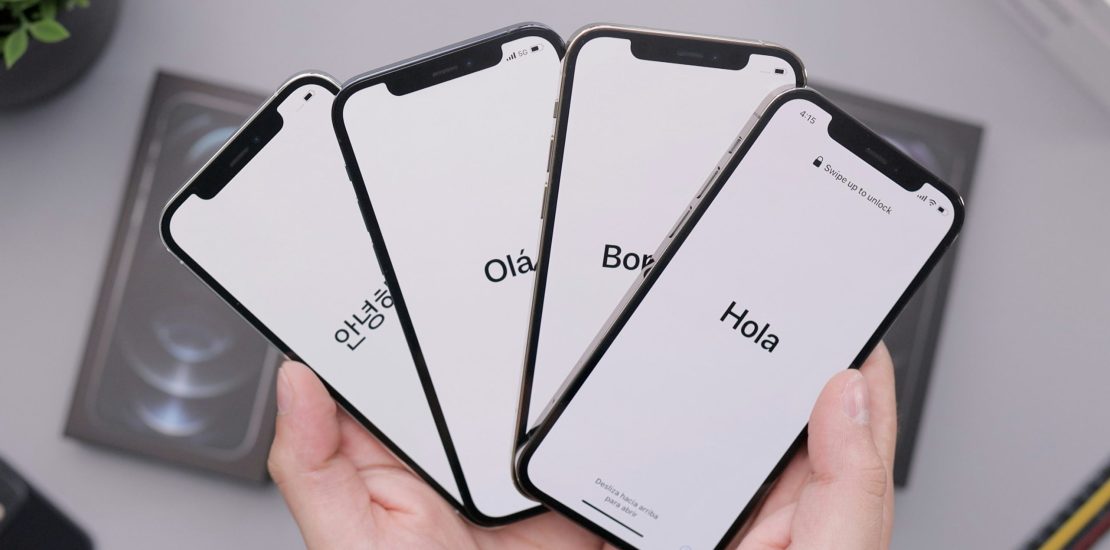
Mobile development
In today’s digital landscape, mobile development and the presence of mobile applications have become essential for businesses aiming to enhance customer engagement, streamline operations, and maintain a competitive edge. With the increasing reliance on smartphones and mobile devices, having a robust mobile strategy is no longer optional but a necessity.
The mobile app development landscape in 2025 is characterized by rapid technological advancements, evolving user expectations, and a dynamic regulatory environment. Here’s an overview of the key trends shaping this landscape:
1. Cross-Platform Development
Frameworks like Flutter and React Native enable developers to build apps that run seamlessly across iOS, Android, and the web. This approach reduces development time and costs while maintaining a consistent user experience across platforms.
2. Cloud-Native Applications
Leveraging cloud computing, developers can create apps that are scalable, cost-effective, and capable of handling large volumes of data. Cloud-native apps offer improved performance and flexibility, making them ideal for businesses seeking to enhance their digital presence.
3. Integration of 5G Technology
The global rollout of 5G networks is revolutionizing mobile app performance. With faster speeds and lower latency, apps can deliver real-time experiences, such as high-definition video streaming, augmented reality (AR), and virtual reality (VR), enhancing user engagement.
4. Augmented Reality (AR) and Virtual Reality (VR)
AR and VR technologies are transforming industries like gaming, retail, and education by offering immersive user experiences. For instance, AR enables virtual try-ons in e-commerce, while VR provides interactive learning environments
5. Artificial Intelligence (AI) and Machine Learning (ML)
AI and ML are being integrated into mobile apps to enhance personalization, automate tasks, and improve decision-making. Applications range from intelligent chatbots and virtual assistants to personalized content recommendations, significantly enhancing user satisfaction.
6. Blockchain Technology
Blockchain is being utilized to enhance security and transparency in mobile apps. Decentralized applications (dApps) and secure payment gateways are examples of how blockchain is being integrated to provide tamper-proof transactions and data integrity.
7. Low-Code and No-Code Development
These platforms empower individuals with minimal coding experience to build functional mobile apps. By simplifying the development process, businesses can rapidly prototype and deploy applications, reducing time-to-market and development costs.
8. Enhanced Security and Privacy
With increasing concerns over data breaches, developers are prioritizing security by implementing end-to-end encryption, biometric authentication, and adhering to privacy regulations like GDPR and CCPA. This focus on security builds user trust and ensures compliance with legal standards.
9. Wearable Device Integration
Mobile apps are increasingly integrating with wearable devices such as smartwatches and fitness trackers. This integration allows for real-time health monitoring, notifications, and enhanced user engagement, catering to the growing demand for health and wellness applications.
10. Regulatory Developments
Governments are scrutinizing the dominance of major tech companies in the mobile ecosystem. Regulations like the UK’s Digital Markets Act aim to promote competition by addressing issues such as app store monopolies and in-app payment practices.
In summary, the mobile app development landscape in 2025 is dynamic, with technological innovations driving new possibilities and regulatory frameworks shaping the industry’s future. Developers and businesses must stay informed and adaptable to leverage these trends effectively.
Most common types of the mobile applications
Social Media Apps
Productivity Apps
Entertainment Apps
Utility Apps
Gaming Apps
News and Information
Best Practices in iOS Development
Adhering to best practices ensures the creation of high-quality, maintainable, and efficient applications.
-
Modular Architecture: Implementing architectural patterns like Model-View-ViewModel (MVVM) enhances code maintainability and scalability. MVVM facilitates a clear separation of concerns, making the codebase more organized and testable
-
Clean Code Principles: Writing clean, readable, and maintainable code is crucial for long-term project success. This includes using meaningful naming conventions, modular code structures, and proper documentation.
-
Consistent Design Patterns: Utilizing consistent design patterns, such as Model-View-Controller (MVC), Model-View-ViewModel (MVVM), and Delegate Pattern, helps in organizing code effectively and improving collaboration among developers.
-
Performance Optimization: Focus on optimizing app performance by minimizing resource usage, reducing load times, and ensuring smooth animations. Use profiling tools to identify and address performance bottleneck
iOS vs Android marketshare for 2024
IOS one of the two most dominant mobile operation systems in the world.
What Mobile app can give you?
Mobile applications provide a direct channel to interact with customers, offering personalized experiences through features like push notifications, exclusive offers, and in-app promotions. This direct engagement fosters a deeper connection with the brand, leading to increased customer loyalty and retention.
Having a mobile app ensures that your brand remains visible on customers’ devices, reinforcing brand recognition each time they interact with the app. This constant presence keeps your products or services top-of-mind, potentially influencing purchasing decisions
Mobile apps offer a user-friendly interface that simplifies the customer journey. Features such as one-click purchases, personalized recommendations, and in-app customer support enhance convenience, leading to higher customer satisfaction and increased sales.
Mobile applications serve as a direct marketing platform, enabling businesses to send timely updates, promotions, and important announcements to users. This immediacy ensures that marketing messages reach the target audience effectively, driving engagement and conversions.
In a market where consumers increasingly expect mobile accessibility, having a mobile app can set your business apart from competitors. It demonstrates a commitment to meeting customer needs and embracing technological advancements, which can attract a broader audience and enhance market share.
Mobile apps collect data on user behavior, preferences, and engagement patterns. Analyzing this data provides businesses with actionable insights into customer needs, allowing for the optimization of marketing strategies, product offerings, and overall user experience.
Integrating e-commerce capabilities within a mobile app opens new revenue channels. Features such as in-app purchases, subscription models, and exclusive content offerings provide opportunities to monetize services and products effectively.
Mobile applications can streamline business operations by automating processes, managing inventory, and facilitating communication between teams. This efficiency reduces operational costs and enhances productivity.
A well-designed mobile app enhances brand perception by showcasing professionalism and a commitment to quality. It reflects positively on the brand’s image, building trust and credibility among users.
With a significant portion of web traffic and online purchases conducted via mobile devices, having a mobile app ensures that your business remains accessible to the modern consumer. It aligns your brand with current technological trends, keeping you relevant in a rapidly evolving market.
In conclusion, embracing mobile development and establishing a mobile application are pivotal steps for businesses aiming to thrive in the digital age. These tools not only enhance customer engagement and satisfaction but also open avenues for increased revenue and operational excellence. Investing in mobile technology is investing in the future success of your business.